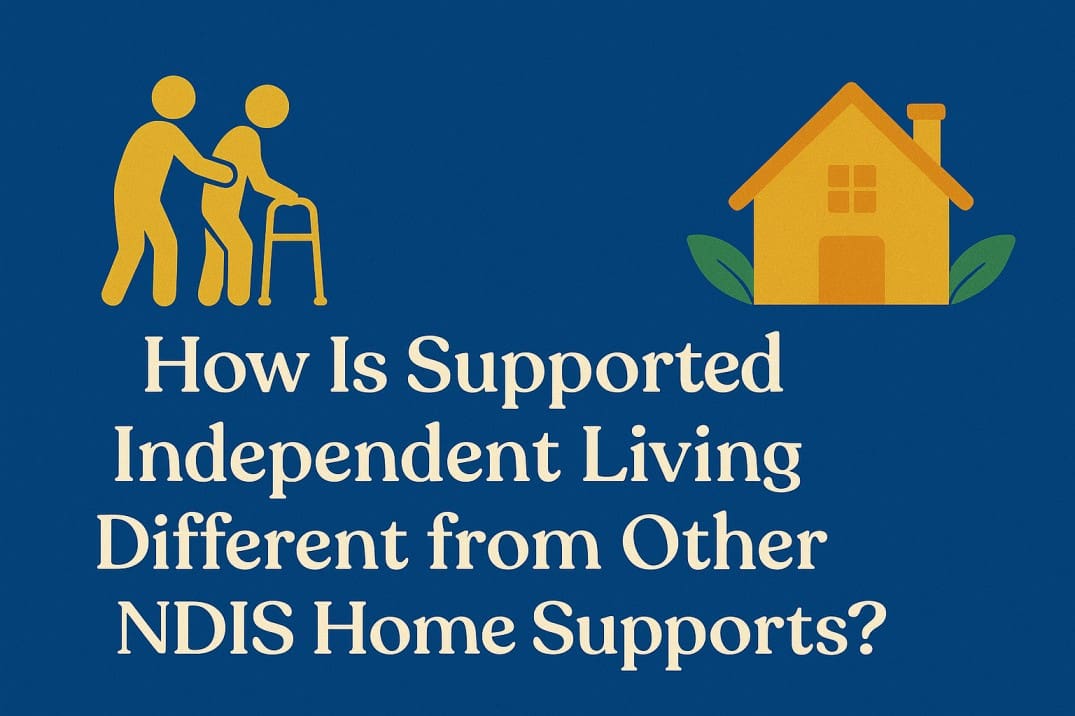

Supported living offers more freedom and independence than residential care, but it also has several potential downsides that are important to understand before choosing this arrangement.
1. Higher Living Costs
While the NDIS funds your support services, you must still pay for rent, utilities, groceries, and personal expenses. These separate costs can add up, especially in high-demand areas or when extra support hours are required.
2. Limited Staff Availability
Support staff may not be present 24 hours a day, depending on your arrangement. If you need urgent help or continuous supervision, limited coverage can create challenges or safety concerns.
3. Shared Living Difficulties
In group homes or shared settings, you may live with people who have different routines, personalities, or support needs. This can lead to tension, reduced privacy, or difficulty establishing personal boundaries.
4. Inconsistent Quality of Care
You might not always have the same support workers, and staff turnover can affect the consistency and reliability of your daily care. Building trust with new workers may take time.
5. Administrative Responsibility
Managing your tenancy, budgeting, and coordinating multiple service providers can feel overwhelming. Some participants need a support coordinator to handle these practical tasks effectively.
While supported living promotes choice and independence, it’s important to balance these benefits against the potential financial, social, and logistical challenges before deciding if it’s the right option for you.
Looking for an NDIS provider in Hobart? Get in touch with us today!